
Ray Caviano – The Man Who Took the Underground to the Mainstream
A DJ Soulswede Tribute to One of Dance Music’s Great Pioneers
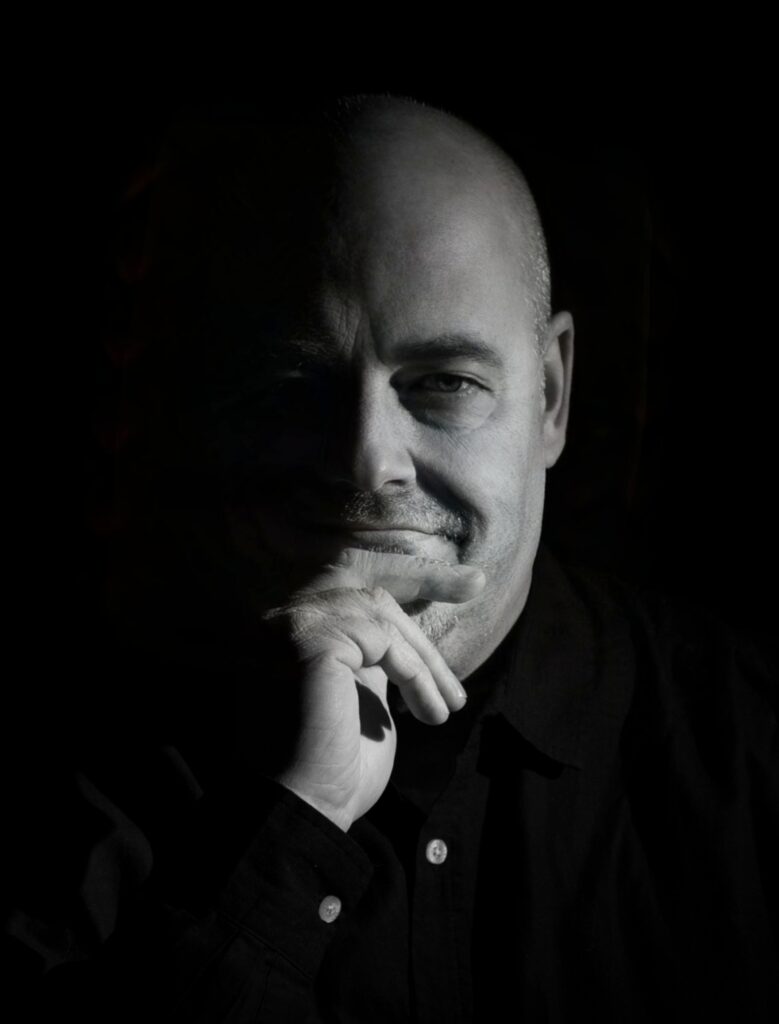
The music world has lost one of the people who helped change the way dance music was heard, promoted and ultimately understood. Ray Caviano has passed away.
For those who know the history of disco and dance music, Caviano was far more than a record promoter or label executive. He belonged to that remarkable generation of music people who understood something the established record industry initially struggled to grasp: the dance floor could break a record.
When the Dance Floor Mattered
Long before streaming statistics, algorithms and social media metrics determined what the music business considered important, Ray listened to DJs. He went into the clubs, watched people dance and understood that something happening in an underground room in New York could eventually find its way into millions of homes.
And he helped make that happen.
From the Clubs to the Record Industry
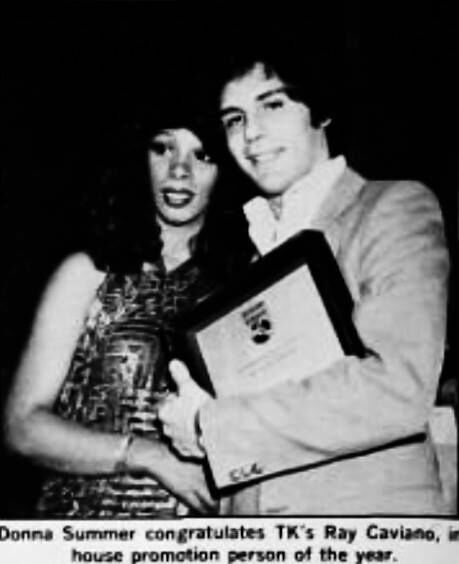
During the explosive growth of disco in the 1970s, Caviano became one of the most influential figures in record promotion. Working with T.K. Records, he developed close relationships with DJs and clubs at a time when dance-floor reaction was becoming an increasingly powerful force in breaking records. Artists associated with the T.K. world included KC and the Sunshine Band, Peter Brown, T-Connection, The Ritchie Family, George McCrae and many others.
DJs Were the Tastemakers
Ray understood that DJs weren’t simply playing records — they were discovering them. Clubs became laboratories where a record could be tested in front of an audience immediately, and the reaction of dancers could reveal something no marketing meeting ever could. That philosophy would become central to Caviano’s career.
The Birth of RFC Records
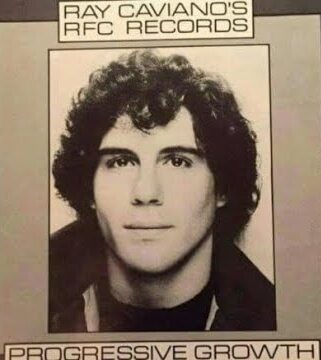
His success eventually attracted the attention of Warner Bros. Records, where he headed the company’s dance music operation and established his own label, RFC Records, its name taken from Ray’s own initials.
Among the artists signed to RFC was Canadian producer and musician Gino Soccio, while the label also became closely connected with one of the defining groups of sophisticated post-disco soul: Change.
Change and a Young Luther Vandross
Within Change was a young singer whose extraordinary voice was beginning to attract attention: Luther Vandross.
Songs such as The Glow of Love and Searching would become landmarks of that period, part of a musical lineage stretching from disco into the sophisticated soul, boogie and dance music of the 1980s.
When Promotion Meant People
Perhaps Ray Caviano’s greatest legacy cannot simply be found by looking through a discography. It was his understanding of how music travelled.
Promotion in Ray’s world was personal. It meant relationships with DJs, telephone calls, record pools, clubs and conversations. It meant watching a dance floor and understanding why one record connected while another didn’t.
The DJ mattered. The dancer mattered. And the underground mattered.
From the Underground to the Mainstream
Today, a song can travel around the world in seconds. An algorithm can recommend a record to millions of people who have never met one another.
Ray came from another world — one where somebody had to believe in a record enough to carry it into the right room, put it into the hands of the right DJ and give it the opportunity to find its audience.
People like Ray Caviano were the connection between those rooms and the mainstream record industry. Without that connection, the history of disco — and consequently much of modern dance music — would look very different.
A Conversation I Will Always Value
I had the privilege of interviewing Ray for SoulInterviews, and looking back at that conversation today feels different.
When you interview someone who actually participated in an important period of music history, you are doing more than discussing records. You are documenting the memories of someone who was there when those records were new, when decisions were still being made and when nobody yet knew which songs would eventually become classics.
Ray wasn’t looking back at disco as a historian. He had lived it.
Preserving Ray’s Story
He had stood inside the machinery that took music from underground clubs and carried it towards a much wider audience.
That is why I have decided to republish my interview with Ray Caviano here on SoulInterviews — not simply as an interview from the archives, but as a document from someone whose contribution deserves to be remembered.
The Music Remains
The word disco has travelled an extraordinary journey. It has been celebrated, ridiculed, declared dead, rediscovered and celebrated all over again. But the musical culture that grew from those dance floors never disappeared.
You can hear its DNA in house, garage, boogie, contemporary R&B and electronic dance music.
A Legacy Beyond the Record Sleeve
Behind that history are people whose names may never have appeared prominently on the record sleeve, but whose instincts helped those records reach us.
Ray Caviano was one of those people — a promoter, a record man, a believer in DJs and a believer in the dance floor. And ultimately, one of the people who helped bring underground dance music into the mainstream.
Rest in Peace, Ray
Rest in peace, Ray Caviano.
Thank you for the music you believed in, the records you helped break, the doors you helped open — and the stories you left behind.
Ray Caviano
1951–2026

SoulInterviews – The Sound of Emotions