

“The Sound of Emotions” – DJ Soulswede
Quiet Storm – Where Soul Music Learned to Whisper
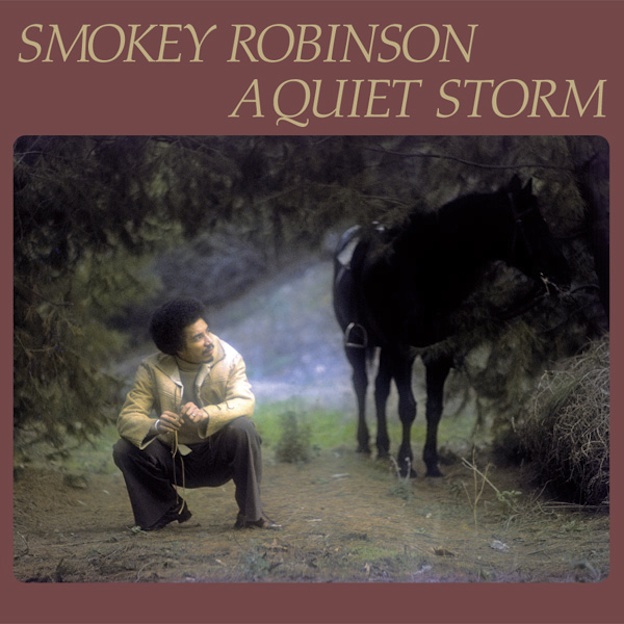
Quiet Storm is more than a musical genre. In fact, it began not as a genre at all, but as a way of presenting music — a carefully constructed late-night atmosphere in which soul, R&B, jazz and sophisticated balladry could breathe.
Its roots can be traced to Washington, D.C., and Howard University’s WHUR-FM, where student intern Melvin Lindsey went on air in 1976. Lindsey developed a remarkably understated approach to radio. Rather than filling the space between records with constant talk, he allowed the music to carry the emotional narrative, programming soulful album tracks, ballads and deeper cuts with an emphasis on mood, intimacy and continuity.
It was radio designed not simply to be heard, but to be felt.
The name itself was inspired by Smokey Robinson’s 1975 album A Quiet Storm and its title track. At WHUR, Cathy Hughes — then a key figure at the station and later its general manager — played an important role in developing the concept around Lindsey’s distinctive late-night sound. What began in Washington soon became influential far beyond the city, as variations of the Quiet Storm format appeared on urban radio stations across the United States.
Melvin Lindsey and the Art of the Mood
What distinguished Lindsey was not simply the records he selected, but the relationship he created between them.

Quiet Storm programming could move between established stars and less obvious album cuts, between vocal soul and jazz-influenced material, without breaking the emotional thread. Lindsey’s playlists included artists such as Marvin Gaye, Phyllis Hyman, George Benson, Angela Bofill, Stevie Wonder, Barry White, Chaka Khan, Randy Crawford, Aretha Franklin, The Brothers Johnson and Earth, Wind & Fire.
The common denominator was not necessarily tempo or instrumentation. It was emotional temperature.
Quiet Storm favored music with space in it: expressive vocals, warm arrangements, restrained grooves and songs capable of sustaining an intimate late-night atmosphere. Electric piano, strings, understated guitar, saxophone and sophisticated rhythm arrangements became familiar elements of the sound, but Quiet Storm was never defined by a single instrumental formula.
It was defined by feeling.
From Radio Format to Musical Language
Over time, the term Quiet Storm moved beyond radio programming and became shorthand for a broader musical aesthetic.
Artists such as Luther Vandross, Anita Baker and Sade, among many others, became closely associated with the sophisticated, emotionally intimate side of R&B that Quiet Storm radio embraced. Love and desire naturally occupied much of this musical landscape, but its emotional vocabulary was broader than romance alone.
Quiet Storm could express longing, vulnerability, loneliness, devotion, heartbreak and reflection.
That distinction matters.
At its best, Quiet Storm was never simply background music for romantic evenings. It provided a space where Black popular music could slow down and allow emotional nuance to take centre stage — where singers did not have to shout to communicate intensity, and where a song could unfold gradually rather than compete for immediate attention.
The format also gave radio programmers room to look beyond the obvious single. Album tracks, extended performances and songs that might struggle to find a home in daytime programming could become essential parts of the late-night experience.
A Legacy That Still Resonates
The influence of Quiet Storm did not disappear with the era that created it. Its musical language became part of the DNA of contemporary R&B, adult soul and the slow-jam tradition, while WHUR has continued the Original Quiet Storm legacy decades after Melvin Lindsey first took to the air.
What Lindsey helped create in Washington in 1976 was therefore something larger than a collection of slow songs.
It was an approach to listening.
A belief that sequencing matters. That atmosphere matters. That the space between songs matters. And, above all, that music can communicate some of our deepest emotions without ever needing to raise its voice.
Nearly fifty years later, that may still be the most powerful definition of Quiet Storm:
“Music for the Hours when we Stop Simply Hearing — and Start Feeling“.
Soulinterviews.com: “The Sound of Emotions”.